
Disc Springs/Belleville Washers/Heavy Duty Belleville Washers
Disc Springs, also known as Belleville Disc Springs, Belleville Springs, Belleville Washers, or Conical Washers, are precision components designed for axial loading. Unlike other types of springs Disc Springs have consistent and repeatable force/deflection curves, making them highly reliable.
These springs can be statically loaded or subjected to continuous load cycling. They can be used individually or stacked in parallel, series, or combinations to achieve the desired force-deflection characteristics.
The advantages of Disc Springs over other types of springs
- Wide range of load/deflection characteristics
- High load capacity with minimal deflection
- Consistent performance under design loads
- Long fatigue life
- Ability to stack to meet application requirements
What are disc springs?
An optimal choice for high load applications, disc springs are especially suited when available space is at a premium.
Conical disc springs comprise a convex disc with its outer edge operating in opposition to its centre. This generates a high spring force inside a short movement area. The configuration allows disc springs to support much higher loads with less solid height and relatively little deflection compared to standard springs with a helical design.
Common applications of disc springs
Exceptionally versatile, disc springs see frequent use in many plant and manufacturing applications. Common uses for the components include thermal expansion, controlling excess vibration, bolt creep problems, overload clutches, energy storage, spring actuated brakes and valves.
Can you stack disc springs?
Stacking disc springs is a common practice that allows users to customise their impact. By stacking springs, the overall force and deflection of the assembly can be modified to fit specific requirements.
It’s important to note that the way stacked springs are oriented has a bearing on how they behave. The series method involves stacking springs in alternating, opposite directions. This will multiply the total deflection while keeping the load needed to compress them equal to one single spring.
In the parallel method, disc springs are all stacked in one direction. This multiplies the load capacity but keeps the total deflection identical to that of a single spring.
The third method, series-parallel, combines the two options, multiplying both the deflection and the load. This is used in more complicated applications.
How do you know which disc spring you need?
To identify the precise disc spring needed for an application, users must determine their exact load requirements, deflection, available space and operating environment.
Do you need bespoke disc springs for your operation?
Here at SpringXpert, we have an in-house design and development team. As a result, our skilled staff can produce innovative disc springs to meet specific applications and operating needs. Offering a custom service, we can provide bespoke disc springs that precisely meet your individual needs and serve as effective solutions.
-
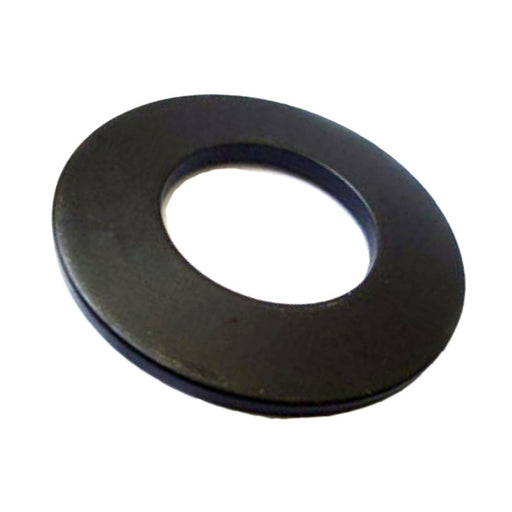
Heavy Duty Bolting Washer Din 6796 Belleville Washers
Original price £0.10 - Original price £3.20Original price£0.10 - £3.20£0.10 - £3.20Current price £0.10In stockHeavy Duty Bolting Washer Din 6796 Heavy Duty Belleville Washer. Heavy Duty Belleville Din 6796 are ideally suited to bolted connections designed t...
View full details -
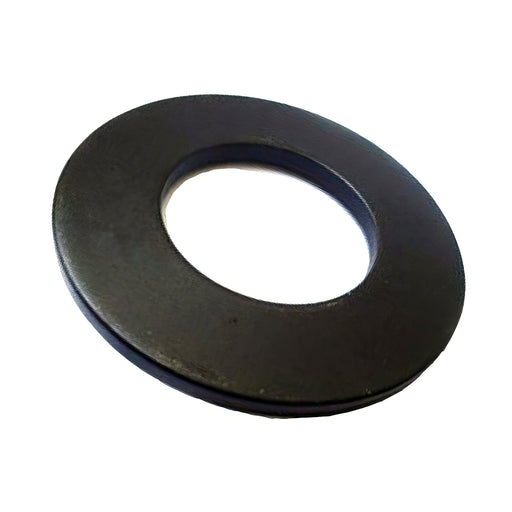
Disc Springs EN 16983 DIN 2093 6mm to 28mm O/D
Original price £0.04 - Original price £0.70Original price£0.04 - £0.70£0.04 - £0.70Current price £0.04In stockDisc Springs, also known as Belleville disc springs, Belleville springs, Belleville washers, or conical washers, are precision components designed ...
View full details -
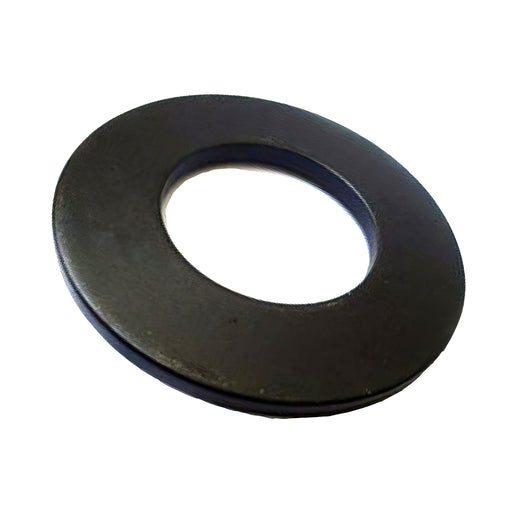
Springs EN 16983 DIN 2093 30mm to 100mm O/D
Original price £0.25 - Original price £12.50Original price£0.25 - £12.50£0.25 - £12.50Current price £0.25In stockDisc Springs, also known as belleville disc springs, belleville springs, belleville washers, or conical washers, are precision components designed ...
View full details -

Disc Springs EN 16983 DIN 2093 100mm to 500mm O/D
Original price £4.00 - Original price £4.00Original price£4.00£4.00 - £4.00Current price £4.00In stockDisc Springs, also known as Belleville disc springs, Belleville springs, belleville washers, or conical washers, are precision components designed ...
View full details -
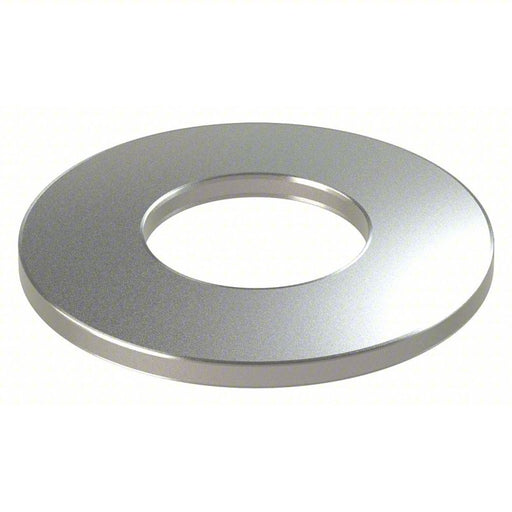
Stainless Steel Disc Springs DIN 1.4310 and DIN 1.4568
Original price £1.00 - Original price £1.00Original price£1.00£1.00 - £1.00Current price £1.00In stockDisc Springs, also known as belleville disc springs, belleville springs, belleville washers, or conical washers, are precision components designed ...
View full details -
Disc Springs DIN 2093 Belleville Washers Din 16983
Original price £0.03 - Original price £2.00Original price£0.03 - £2.00£0.03 - £2.00Current price £0.03In stockDisc Springs, also known as Belleville disc springs, Belleville springs, Belleville washers, or conical washers, are precision components designed ...
View full details -
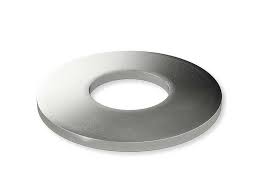
Heavy Duty Bolting Washer Din 6796 Belleville Washers A2 Stainless
Original price £0.10 - Original price £3.20Original price£0.10 - £3.20£0.10 - £3.20Current price £0.10In stockHeavy Duty Bolting Washer Din 6796 Heavy Duty Belleville Washer A2 Stainless Steel Heavy Duty Belleville Din 6796 are ideally suited to bolted co...
View full details -
Inconel 718 Disc Springs
Original price £3.00 - Original price £3.00Original price£3.00£3.00 - £3.00Current price £3.00In stockInconel 718 Disc Springs Inconel 718 is a high strength Nickel based alloy that is well-suited for disc springs (also known as Bel...
View full details

